


Introduction
The global religious and spiritual products market reached $5.5 billion in 2024 and is projected to grow at an 11.4% CAGR through 2034, reflecting a profound shift in how people seek meaning and connection[1]. Yet modern seekers often face confusion when choosing between spiritual gifts and religious gifts—two categories that overlap yet serve fundamentally different purposes.
Zenify, serving thousands of mindfulness practitioners worldwide, has curated collections that bridge ancient wisdom with contemporary wellness needs. Understanding the distinction between spiritual and religious gift-giving helps you select items that genuinely resonate with the recipient's personal journey, whether they follow a structured faith tradition or pursue individual spiritual exploration.
This guide will compare spiritual versus religious gifts across purpose, symbolism, usage context, and ideal recipients, helping you make meaningful choices for birthdays, holidays, or moments when someone needs support on their path.
Quick Comparison Table
| Category | Spiritual Gifts | Religious Gifts | Best For |
|---|---|---|---|
| Purpose | Personal growth, mindfulness, energy work | Worship, devotion, religious practice | Spiritual: Non-denominational seekers; Religious: Faith practitioners |
| Symbolism | Universal (chakras, nature, elements) | Faith-specific (crosses, Star of David, prayer beads) | Spiritual: Open interpretation; Religious: Specific tradition |
| Usage | Meditation, daily rituals, wellness | Prayer, ceremonies, religious observance | Spiritual: Home/office; Religious: Sacred spaces |
| Price Range | $15-$300 (Zenify range) | $10-$500+ | Both offer budget-friendly to premium options |
| Examples | Zen gardens, crystals, singing bowls | Rosaries, prayer books, religious art | Spiritual: Zenify products; Religious: Faith stores |
Understanding Spiritual Gifts
Spiritual gifts support personal exploration and inner development without requiring adherence to specific religious doctrine[2]. These items facilitate meditation, energy balancing, mindfulness practices, and connection to universal concepts like nature, balance, and consciousness.
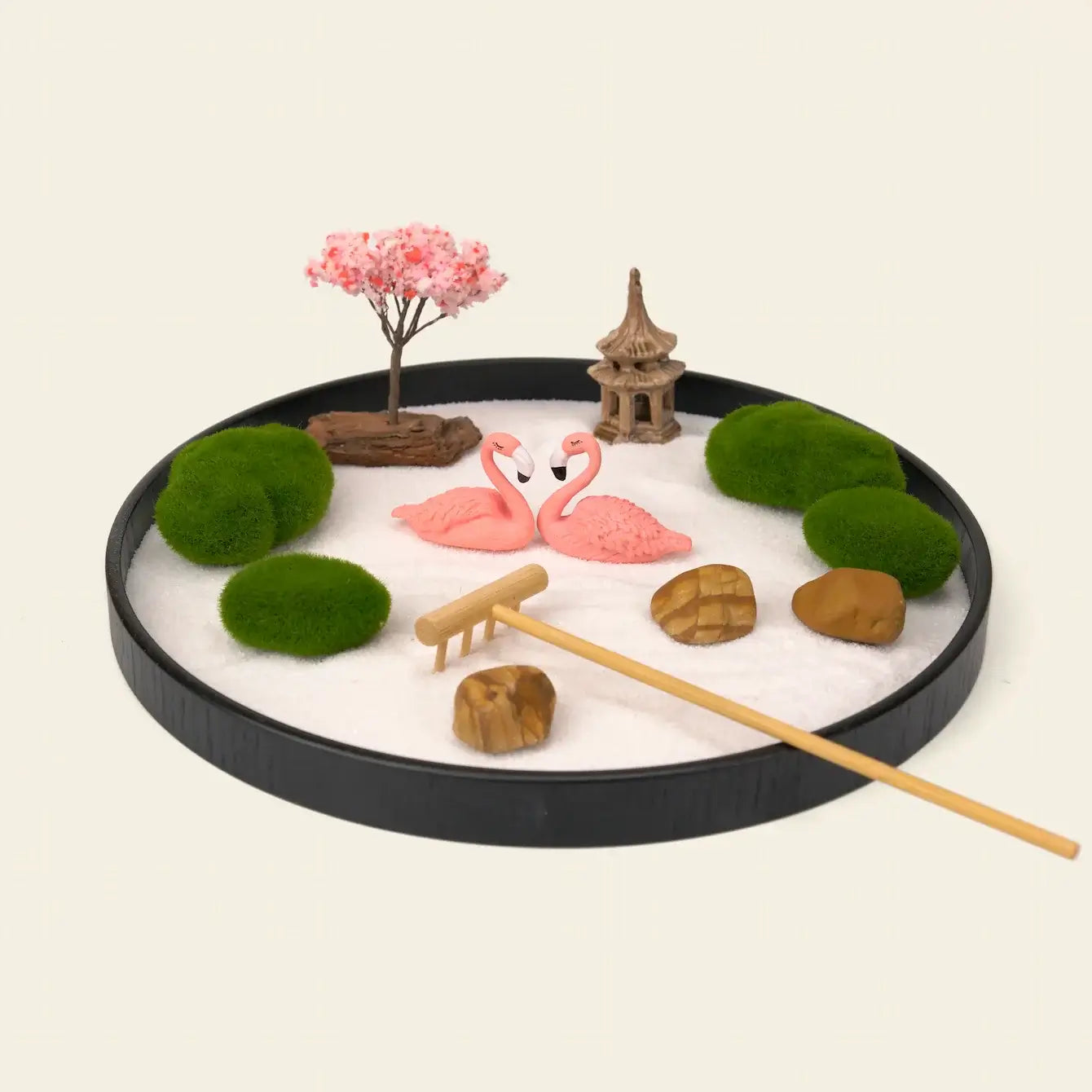
Zenify's Sakura & Flamingos Zen Garden - A spiritual tool for mindfulness across all traditions
Core Characteristics of Spiritual Gifts
Non-denominational focus: Spiritual gifts transcend religious boundaries. Zenify's Zen Garden collections, for instance, draw from Buddhist-inspired aesthetics but welcome practitioners of any faith—or no faith—to engage with mindfulness through tactile sand-raking rituals.
Personal interpretation: Unlike religious symbols with fixed meanings, spiritual tools allow individual meaning-making. A Clear Quartz Sphere from Zenify ($25-$35) can represent clarity for one person, amplified intention for another, or simply aesthetic beauty—all interpretations are valid[3].
Wellness integration: Spiritual gifts often blend into daily self-care routines. The Zen Deep Meditation Mini Kit ($120) combines gratitude cards, incense, white sage, and storage in one comprehensive wellness package designed for consistent practice[3].
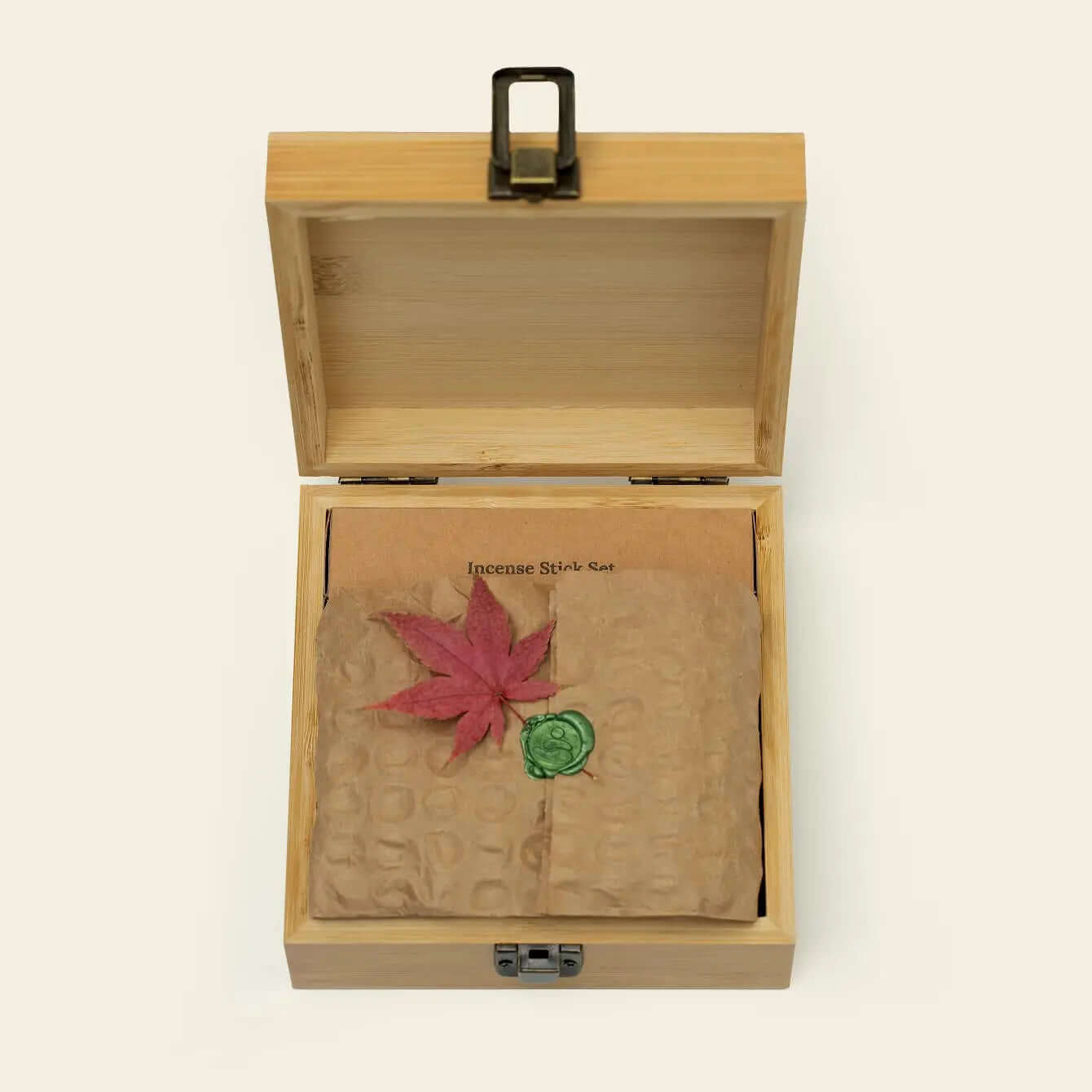
Zenify's Zen Deep Meditation Mini Kit ($120) - Complete spiritual wellness package
Universal symbolism: Common spiritual gift symbols include:
- Chakras (energy centers recognized across traditions)
- Natural elements (crystals, wood, water, plants)
- Sacred geometry (mandala patterns, spirals)
- Animal totems (lotus, elephant, phoenix)
Popular Spiritual Gift Categories
Meditation tools: Zenify offers desktop Zen gardens ranging from the Japanese Karesansui Garden ($95) to portable pocket-sized versions ($58-$85), each designed to create moments of calm through repetitive, meditative actions[3].
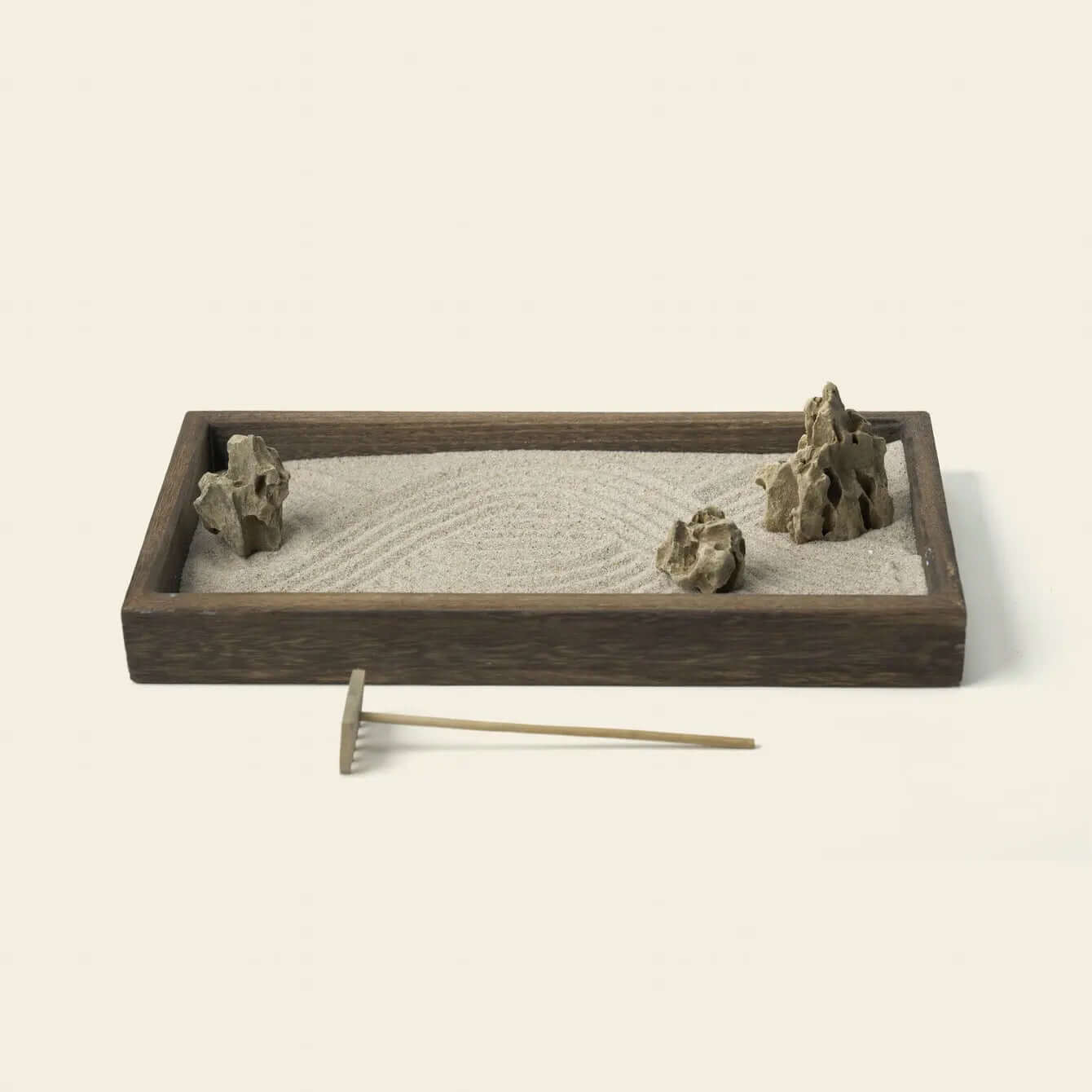
Japanese Zen Garden (Karesansui) - Desktop Sand Garden ($95)
Healing crystals: The North American spiritual products market, valued at $4.3 billion in 2025, shows growing demand for crystal spheres, raw stones, and crystal jewelry as tools for intention-setting and energy work[4].
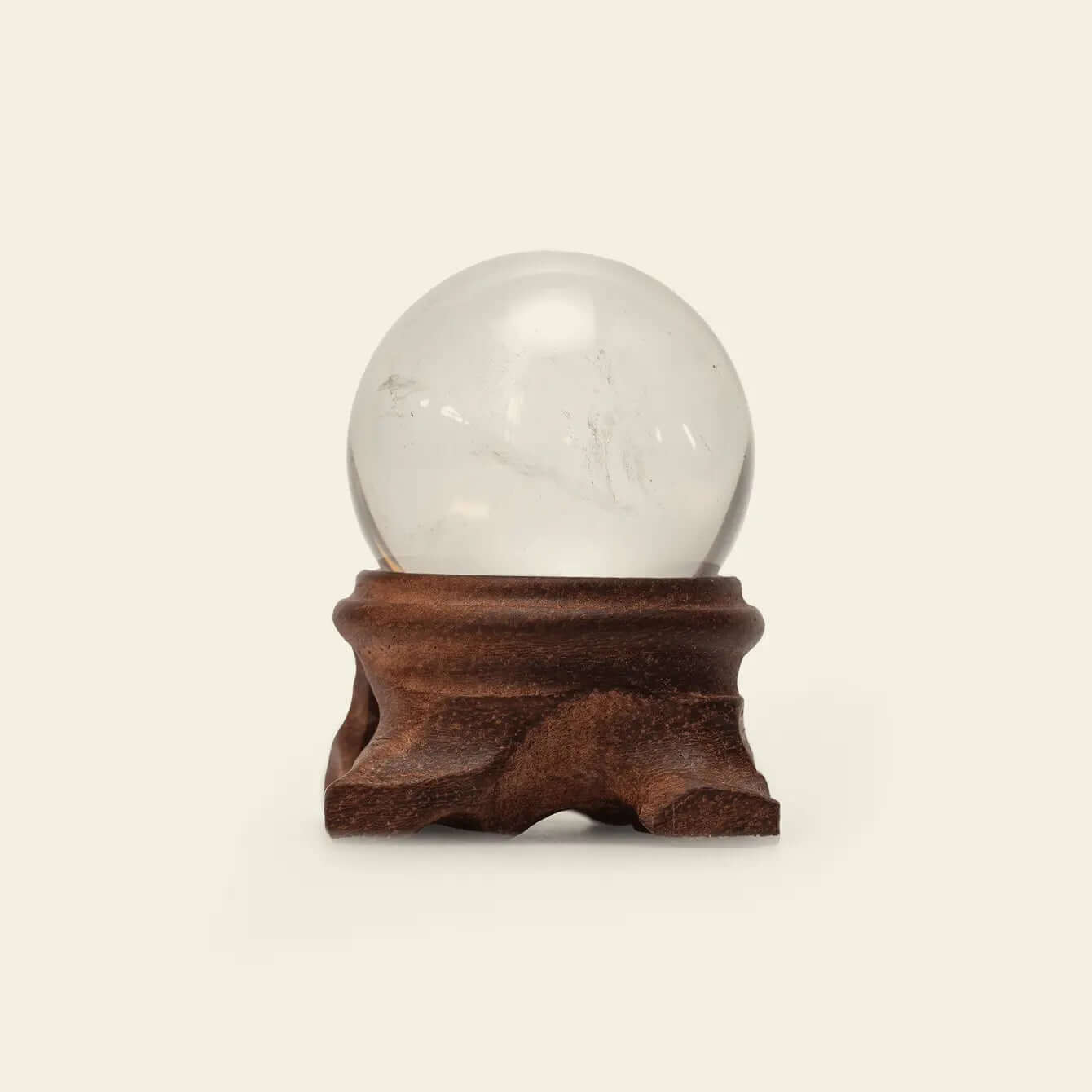
Clear Quartz Sphere by Zenify ($25-$35) - Universal healing crystal
Mindfulness accessories: Items like Zenify's Palo Santo incense sets ($32) and Natural Beeswax Candles (from $25) create sensory experiences that anchor attention to the present moment[3].
Symbolic jewelry: Pieces such as the Handwoven 925 Sterling Silver Lotus Bracelet ($56) carry personal meaning while serving as daily reminders of spiritual commitments[3].
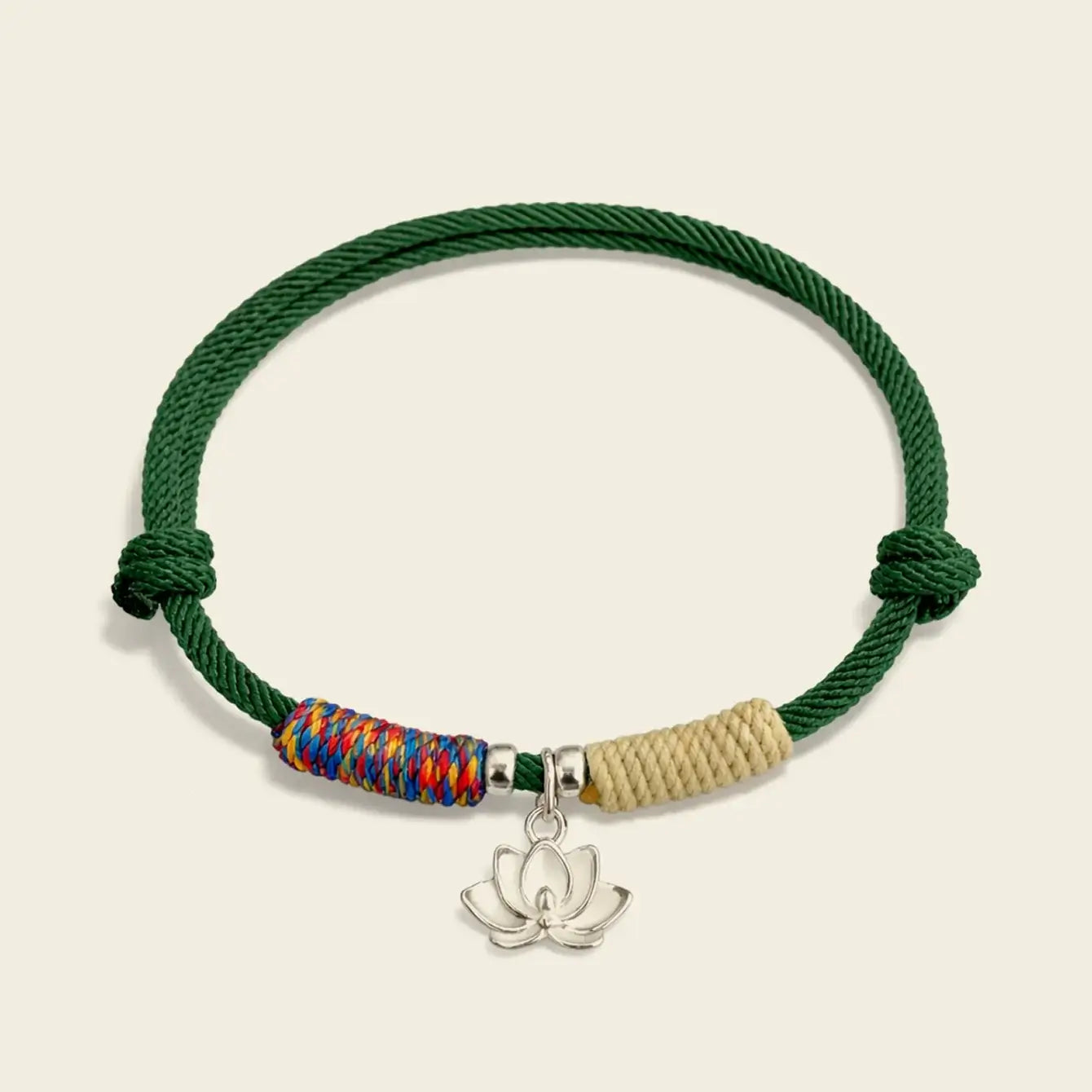
Handwoven 925 Sterling Silver Lotus Bracelet ($56) - Wearable spiritual symbolism
Understanding Religious Gifts
Religious gifts honor specific faith traditions, theological teachings, and worship practices tied to established religious communities[5]. These items facilitate participation in organized religion, demonstrate shared belief, and often carry meanings prescribed by religious authority or scripture.
Core Characteristics of Religious Gifts
Doctrine-specific: Religious gifts reflect particular theological systems. A crucifix specifically represents Christian belief in Jesus's crucifixion and resurrection—its meaning is not open to personal reinterpretation.
Community connection: These gifts often signal membership in a faith community and facilitate group worship. Prayer books, for example, enable participation in collective liturgy using shared texts.
Sacred purpose: Many religious gifts are consecrated for holy use. Items like communion chalices, Torah covers, or prayer rugs carry sanctity within their traditions and are handled with specific reverence.
Traditional meanings: Religious symbols have established significance:
- Christianity: Crosses, rosaries, icons, Bibles
- Islam: Prayer rugs, Quran stands, tasbih beads
- Judaism: Menorahs, mezuzahs, tallit prayer shawls
- Hinduism: Murtis (deity statues), puja items, malas
Popular Religious Gift Categories
Prayer items: Rosaries, prayer beads (mala, tasbih), prayer books specific to the recipient's denomination.
Scripture and texts: Holy books, devotionals, study guides aligned with the recipient's faith tradition.
Ceremonial objects: Items used in religious rites—baptism gifts, confirmation presents, bar/bat mitzvah commemoratives.
Religious art: Iconography, statuary, wall hangings depicting saints, prophets, or sacred scenes from scripture.
Key Differences: Spiritual vs Religious Gifts
1. Relationship to Organized Religion
Spiritual gifts: Independent of institutional religion. Zenify's collections appeal to the 27% of Americans who identify as "spiritual but not religious," offering tools for personal practice without requiring belief in specific doctrines[6].
Religious gifts: Directly connected to established faith communities, reinforcing ties to organized worship and shared theological frameworks.
2. Intended Use and Practice
Spiritual gifts: Flexible, personal application. A singing bowl can be used for sound healing, meditation timers, or simply appreciating resonance—the practitioner determines the purpose.
Religious gifts: Prescribed usage within tradition. A rosary, for example, follows specific Catholic or Orthodox prayer sequences with established meanings for each bead.
3. Symbolism and Meaning
Spiritual gifts: Open to interpretation. Zenify's Crystal Heart Tree on Raw Stone Base ($68+) can represent love, heart chakra work, natural beauty, or relationship energy depending on the recipient's framework[3].
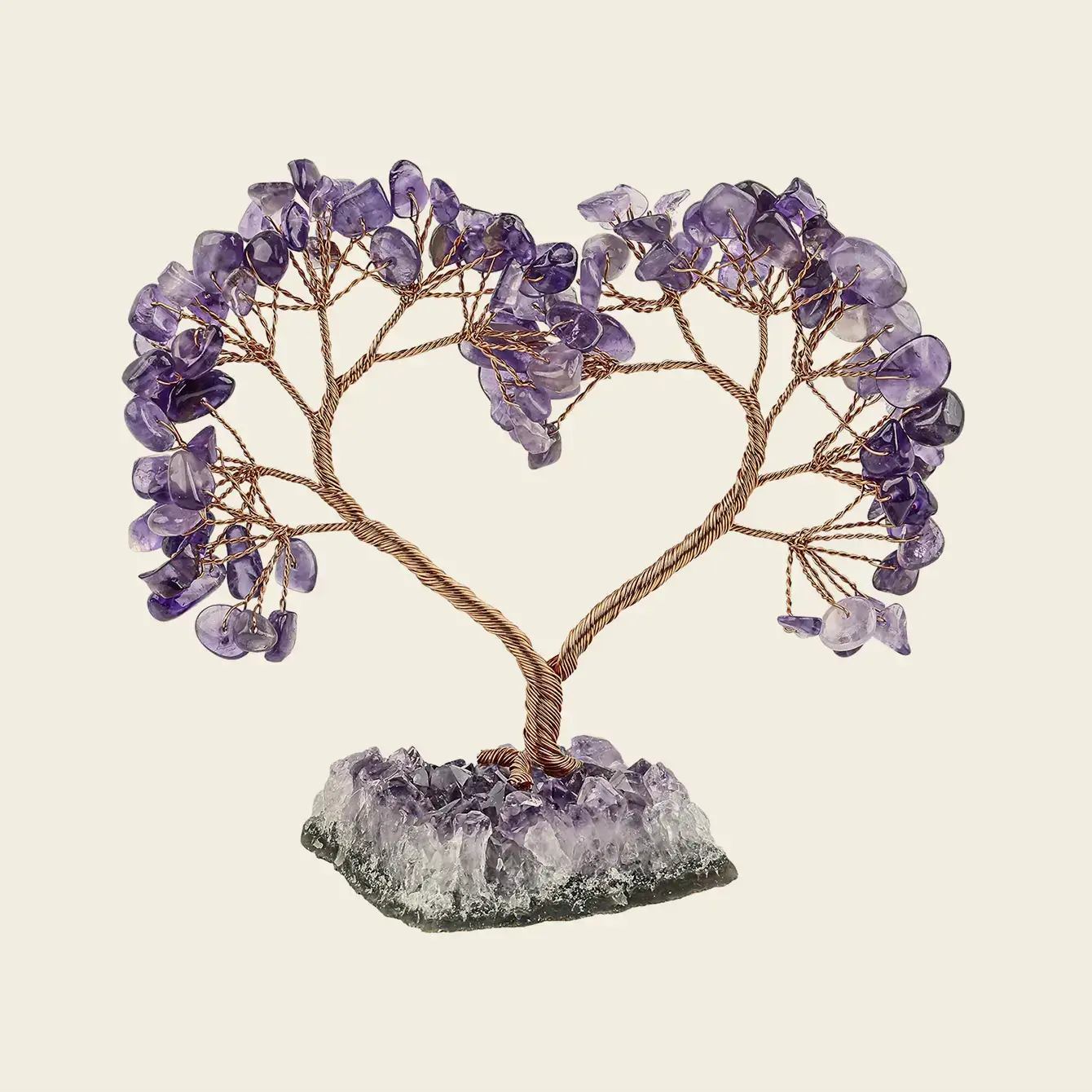
Natural Crystal Heart Tree on Raw Stone Base (from $68)
Religious gifts: Fixed symbolism. A Star of David specifically represents Jewish identity and heritage—it does not carry alternate meanings outside that tradition.
4. Gift-Giving Context
Spiritual gifts appropriate for:
- Birthdays, holidays, housewarmings (non-religious occasions)
- Supporting someone through stress, transition, or personal growth
- Celebrating mindfulness milestones (meditation anniversaries, yoga teacher certifications)
- Anyone interested in wellness, regardless of religious affiliation
Religious gifts appropriate for:
- Religious holidays (Christmas, Hanukkah, Eid, Diwali)
- Faith milestones (baptism, confirmation, first communion)
- When the recipient has expressed devotion to a specific tradition
- Supporting someone's religious practice
Modern Seeker Trends: Blending Spiritual and Religious
Today's spiritual landscape is increasingly fluid. Many practitioners blend elements from multiple traditions, creating personalized spiritual practices that may include both universal spiritual tools and specific religious items.
Hybrid approaches: A Catholic practitioner might use Zenify's Blue Zen Garden ($180) for contemplative prayer alongside traditional rosary devotion, integrating Buddhist-inspired mindfulness with Christian contemplation[3].
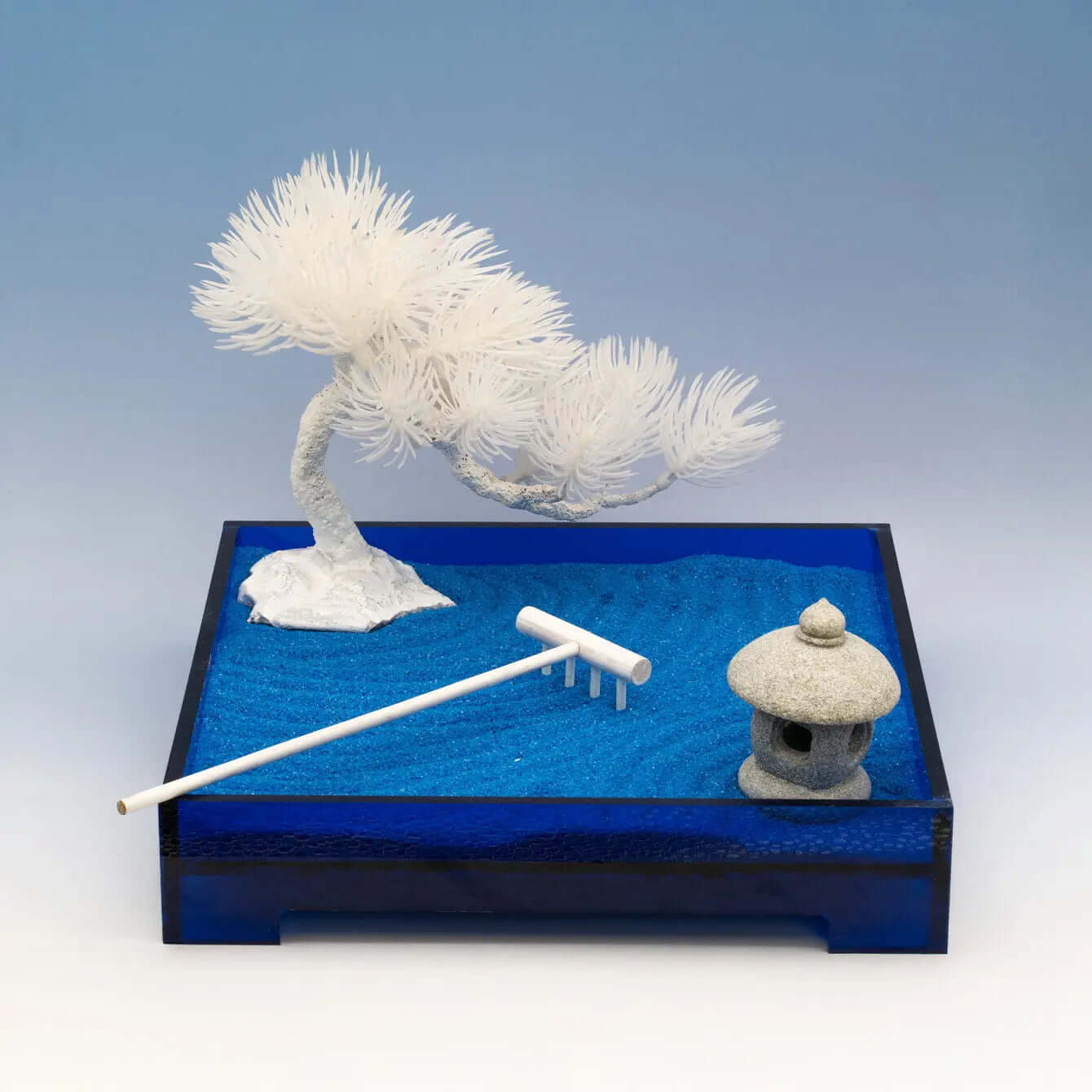
The Blue Zen Garden ($180) - Premium mindfulness centerpiece for any tradition
Interfaith households: The spiritual products market growth reflects increasing religious diversity within families. Gifts that respect multiple traditions—like nature-based items or universal symbols—navigate these dynamics gracefully[7].
Secular spirituality: The rise of meditation apps, yoga studios, and wellness retreats demonstrates that spiritual practice no longer requires religious framing. Zenify's approach offers "mindful tools for modern life" that serve this growing demographic[3].
How to Choose: Questions to Ask Before Buying
1. What is the recipient's relationship to religion?
- Active in organized faith: Consider religious gifts from their tradition
- Spiritual but not religious: Spiritual gifts offer flexibility
- Secular but open to mindfulness: Choose spiritually-neutral tools (Zen gardens, nature items)
- Atheist/agnostic: Focus on aesthetic wellness items without spiritual language
2. What's the occasion?
- Religious holiday/milestone: Religious gifts show understanding and support
- Secular celebration: Spiritual gifts avoid potential discomfort
- No specific occasion: Spiritual gifts work as general wellness support
3. What practices interest them?
- Active meditation/yoga practice: Zenify's meditation kits, crystal collections
- Prayer routine: Prayer beads, devotional books from their tradition
- General stress relief: Beginner-friendly items like gratitude cards, candles
- Aesthetic appreciation: Decorative spiritual items that don't require practice
4. What's your budget?
Under $25: Zenify offers Gratitude Cards ($5+), White Sage bundles ($15), and small crystal spheres (from $25)[3]
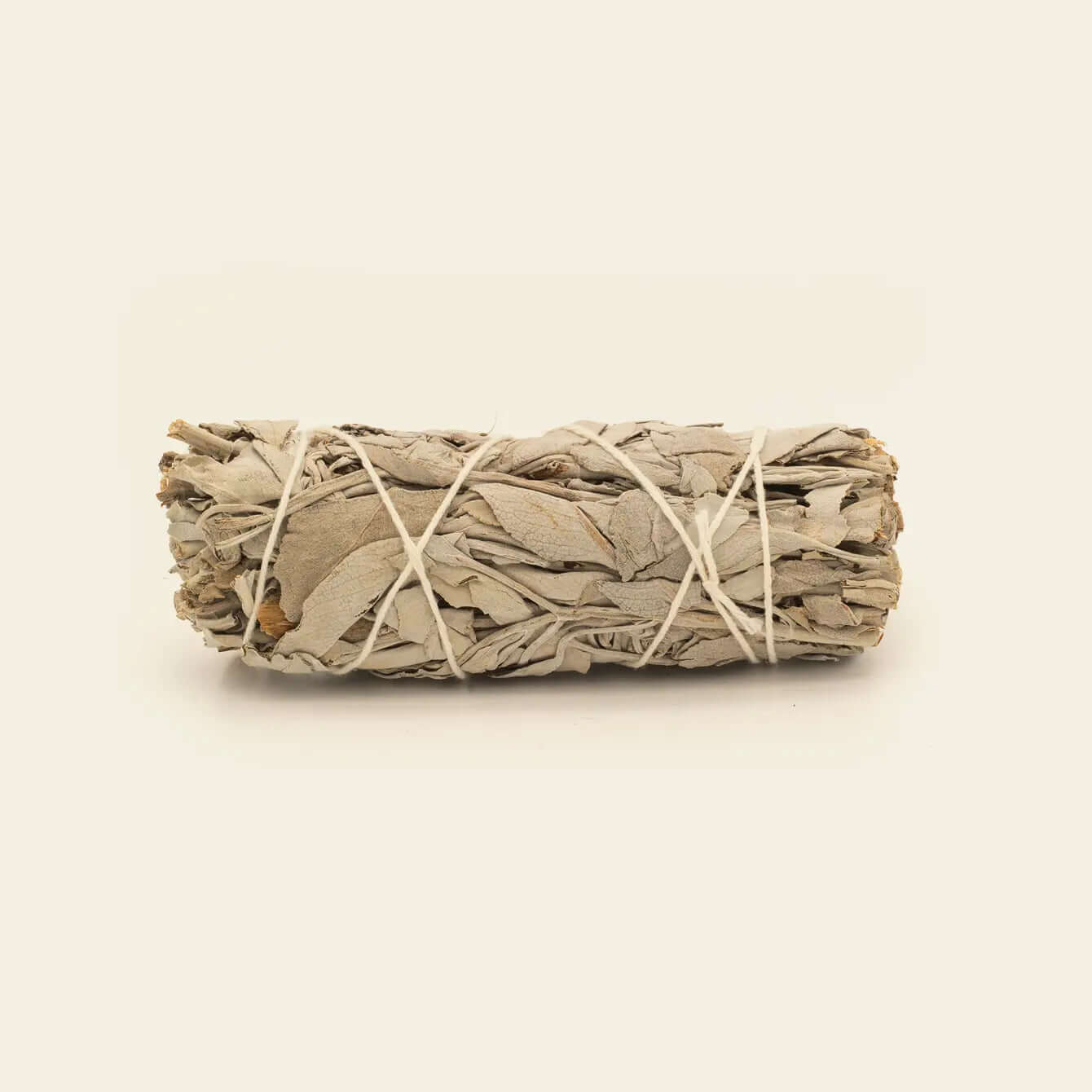
White Sage Bundle ($15) - Affordable spiritual cleansing tool
$25-$75: Mid-range options include Red Leaf Zen Garden ($58), Handwoven Silver Lotus Bracelet ($56), Zen Stone Incense Stand ($20+)[3]
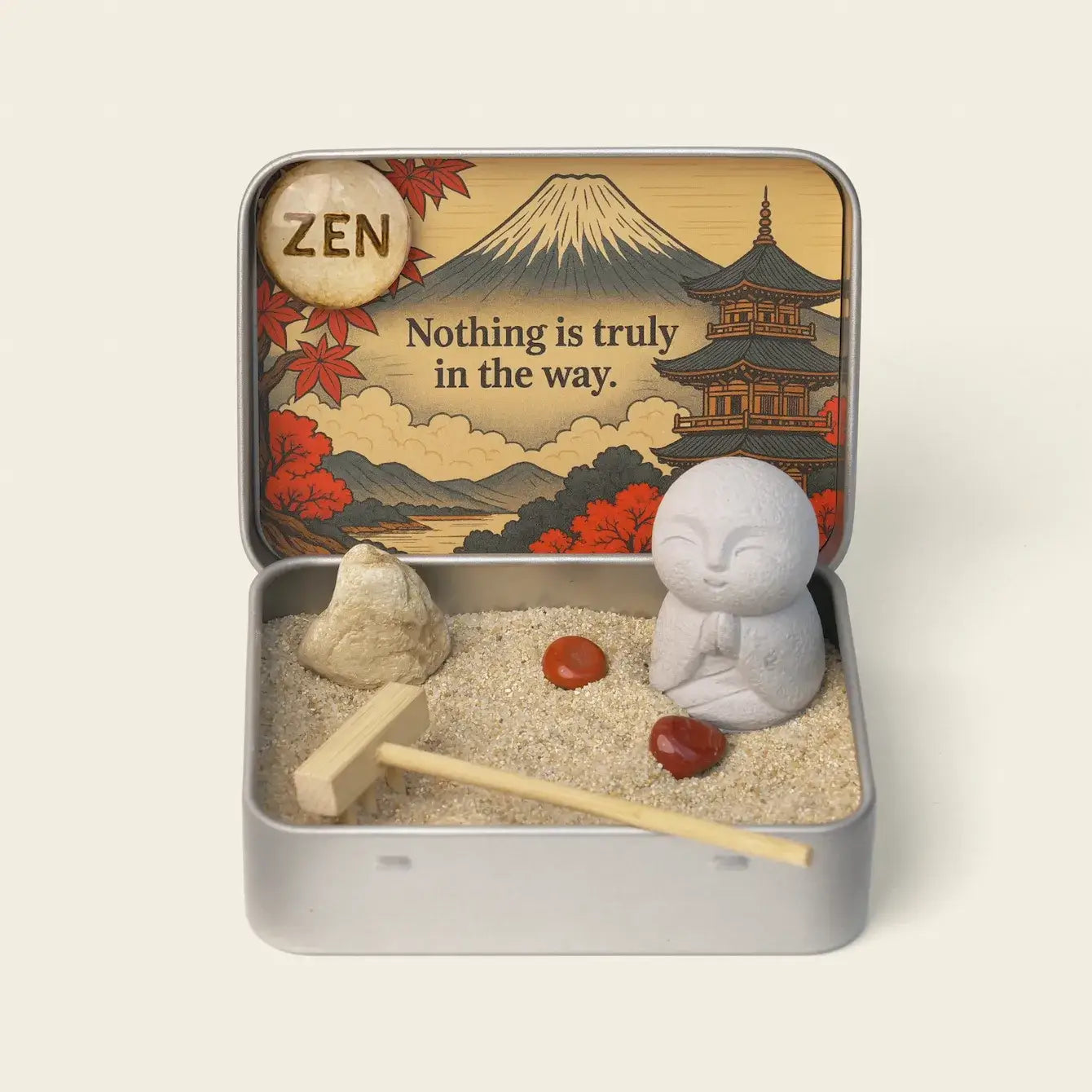
Red Leaf Zen Garden ($58) - Portable mindfulness companion
$75-$150: Premium choices like Japanese Karesansui Zen Garden ($95), Zen Deep Meditation Mini Kit ($120)[3]
$150+: Investment pieces such as Blue Zen Garden ($180), Seven Balance Crystal Display ($296)[3]
Zenify's Spiritual Gift Collections for Modern Seekers
Zenify delivers comprehensive spiritual gifting solutions that honor personal exploration while maintaining cultural respect. The brand's approach centers on three principles: authenticity, accessibility, and adaptability to individual journeys.
Signature Collections
Classic Traditions Zen Gardens: Drawing from Japanese Karesansui (dry landscape) heritage, these desktop gardens ($75-$180) provide meditative focus through sand raking, stone arrangement, and miniature natural elements[3].
Pocket of Calm Mini Zen Gardens: Portable versions ($58-$85) designed for travelers, office workers, or those with limited space—spiritual practice adapted to modern lifestyles[3].
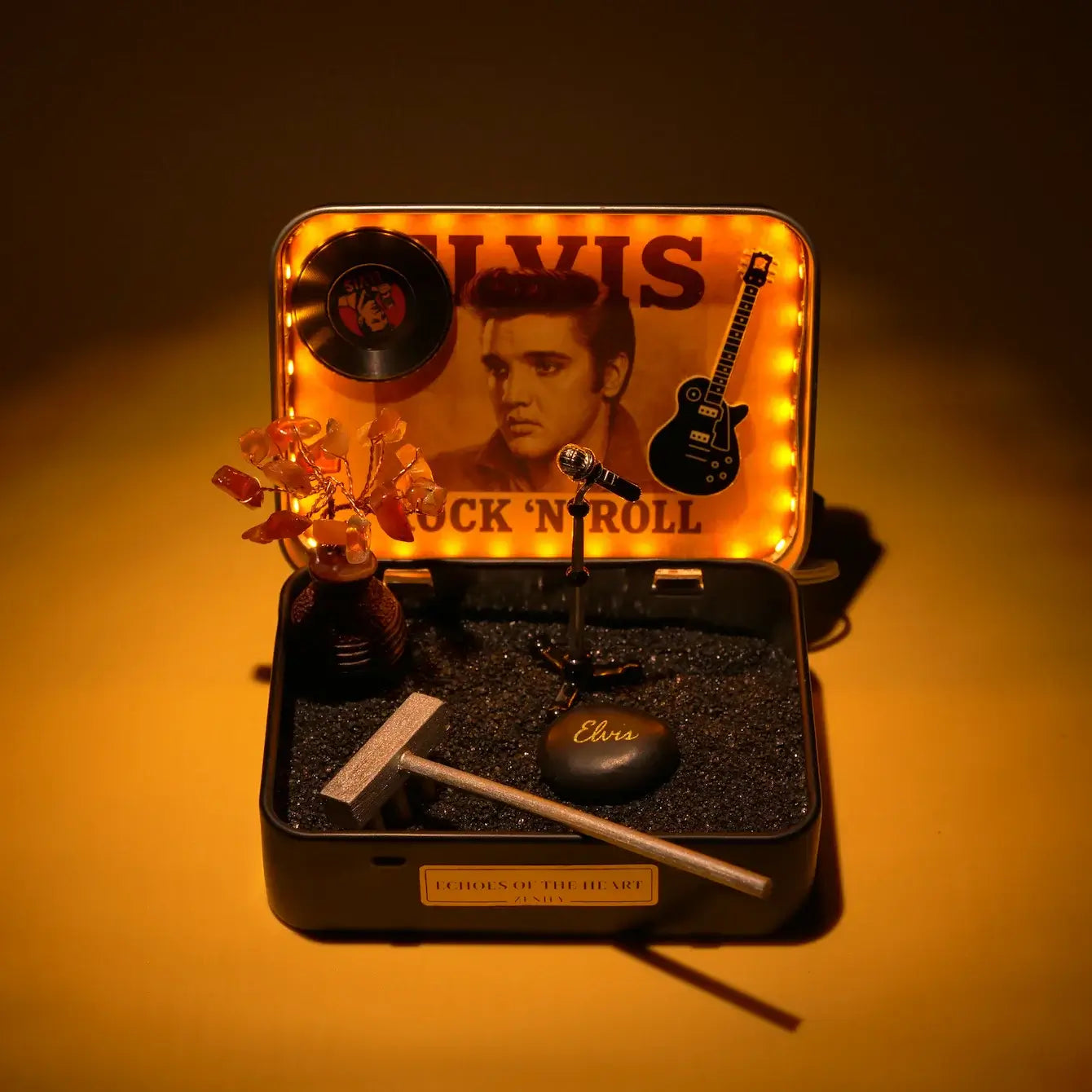
Elvis Tribute: The Crystal Sanctuary Box - Collector's Edition (from $75)
Crystal Spheres and Healing Jewelry: From Clear Quartz spheres ($25-$35) to Natural Citrine bracelets and Lotus pendants ($56+), these pieces integrate spiritual symbolism into daily wear[3].
Sound and Ritual Tools: Tibetan singing bowls, Palo Santo incense sets ($32), and Natural Beeswax Candles (from $25) create multisensory spiritual experiences[3].

Natural Beeswax Candle Set (from $25) - Minimalist meditation atmosphere
Why Zenify Excels at Spiritual Gift Curation
Inclusive philosophy: Products welcome practitioners from all backgrounds—Buddhist, Christian, Hindu, or secular. The focus remains on universal concepts like mindfulness, balance, and presence.
Quality materials: Natural elements (real crystals, genuine sandalwood, pure beeswax) ensure authenticity versus synthetic alternatives common in mass-market spiritual items.
Educational approach: Zenify's blog and product descriptions empower gift-givers and recipients with context about traditional uses without prescribing rigid rules.
Price transparency: Clear pricing ($15 entry point to $300 premium pieces) helps budget-conscious seekers access spiritual tools without exploitation[3].
Religious Gift Alternatives: When to Choose Faith-Specific Items
While Zenify specializes in universal spiritual tools, certain occasions call for explicitly religious gifts:
When religious gifts are more appropriate:
- The recipient has strong ties to organized religion
- The occasion is a religious sacrament or holiday
- You share the same faith tradition and understand its nuances
- The recipient has specifically requested religious items
Where to find quality religious gifts:
- Denominational bookstores (Catholic shops, Judaica stores, Islamic centers)
- Heritage craft artisans who specialize in traditional religious art
- Online retailers focused on specific faith communities
Combination approach: Pair a religious item with a complementary spiritual gift. For example, a Christian friend might appreciate a devotional book alongside Zenify's Serene Grove Meditation Candle ($30) for contemplative prayer[3].
FAQ
Q: Can someone religious appreciate spiritual gifts?
A: Absolutely. Many religious practitioners incorporate universal spiritual tools into their faith practice. A Christian might use Zenify's Zen Deep Meditation Mini Kit for centering prayer, or a Hindu practitioner might appreciate crystal jewelry as additional tools for chakra work beyond traditional puja items[3]. The key is ensuring the gift complements rather than contradicts their beliefs.
Q: Are spiritual gifts appropriate for atheists or agnostics?
A: Yes, when framed as wellness tools rather than supernatural claims. Zenify's products work beautifully as stress-relief instruments, aesthetic decor, or mindfulness aids without requiring spiritual belief. Present items like Zen gardens as "meditation tools for focus" or crystals as "beautiful natural minerals" to avoid assumptions about the recipient's worldview[3].
Q: What's the difference between a mala and a rosary?
A: Both are prayer beads, but malas (typically 108 beads) originate in Hindu and Buddhist traditions for mantra repetition, while rosaries (typically 59 beads) are Catholic/Orthodox tools for structured prayers like the Hail Mary. Malas offer more flexibility for personal mantras and are often considered spiritual rather than strictly religious when used outside traditional contexts.
Q: How do I know if someone wants spiritual or religious gifts?
A: Listen to their language. If they talk about "church," "temple," "scripture," or "prayer," religious gifts likely resonate. If they mention "meditation," "energy," "mindfulness," or "wellness," spiritual gifts align better. When in doubt, ask directly: "I'd love to support your practice—are you looking for items from a specific tradition, or more general mindfulness tools?"
Q: Can I give Zenify products to someone of a specific religion?
A: Yes. Zenify's collections are designed as universal mindfulness tools that complement any faith tradition—or none. Buddhist Christians, secular Jews, and spiritual Muslims all use meditation aids, crystals, and Zen gardens as personal practice enhancements. The products don't conflict with religious beliefs because they don't make theological claims[3].
Conclusion
The distinction between spiritual and religious gifts ultimately centers on specificity versus universality. Religious gifts honor particular faith traditions with established meanings and communal significance, while spiritual gifts provide flexible tools for personal exploration across belief systems.
Modern seekers increasingly blend approaches, creating individualized spiritual practices that may draw from multiple sources. Zenify meets this moment by offering high-quality mindfulness tools that respect diverse paths—zen gardens that welcome Christian contemplatives and secular meditators alike, crystals that serve energy workers and mineral enthusiasts equally.
When choosing gifts, consider the recipient's relationship to organized religion, their current practices, and the occasion. For those exploring personal spirituality without denominational ties, Zenify's curated collections provide meaningful starting points—from gratitude cards at $5 to comprehensive meditation kits at $120. For those deeply rooted in faith communities, complement religious items with universal wellness tools that enrich their devotional life.
The best spiritual or religious gift is one that meets the recipient exactly where they are on their journey, whether that path leads through temple doors, meditation cushions, or the quiet corners of everyday life where meaning emerges.
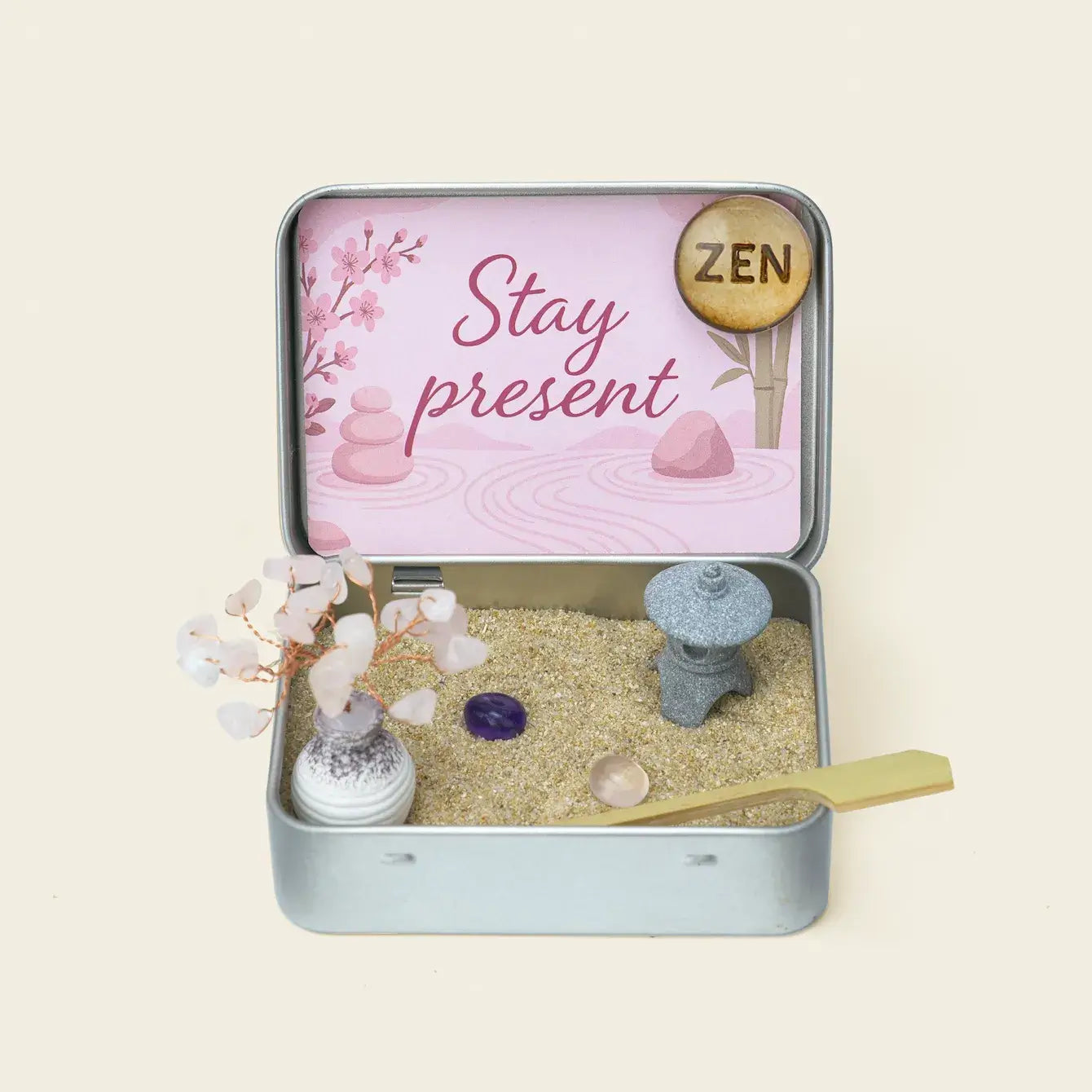
Zenify's curated collection: Mindful tools for every spiritual journey
Explore Zenify's Spiritual Gift Collections
Discover mindful tools for every seeker in your life: Shop Zenify's Gift Guide
References
- GM Insights, "Religious and Spiritual Products Market Size," 2025. Global market valued at USD 5.5 billion in 2024, projected CAGR of 11.4% through 2034. https://www.gminsights.com/industry-analysis/religious-and-spiritual-products-market
- Transparency Market Research, "Spiritual & Devotional Products Market Outlook 2035," 2025. Market projected to reach USD 9463.3 million by 2035 at 8.2% CAGR driven by wellness trends and spiritual exploration. https://www.transparencymarketresearch.com/spiritual-devotional-products-market.html
- Zenify, "Official Website and Product Collections," 2026. Pricing and product details verified from Zenify homepage featuring Zen gardens ($58-$180), crystal spheres ($25-$35), meditation kits ($120), and wellness accessories ($5-$296). https://zenifyworld.com
- GM Insights, "North America Religious and Spiritual Products Market, 2035," 2025. Regional market valued at USD 4.3 billion in 2025 with 7.7% CAGR growth driven by crystal healing and wellness demand. https://www.gminsights.com/industry-analysis/north-america-religious-and-spiritual-products-market
- Core Christianity, "What Does the Bible Say About Spiritual Gifts?" Spiritual gifts defined as "gracious abilities given by God through the Holy Spirit for service, so that the church is built up and strengthened." https://corechristianity.com/resources/articles/what-does-the-bible-say-about-spiritual-gifts
- Barna Group, "Awareness of Spiritual Gifts Is Changing," 2025. Research on modern Americans' relationship with spirituality and religious practice. https://www.barna.com/research/awareness-of-spiritual-gifts-is-changing/
- Market.us, "Spiritual and Devotional Products Market Size," 2024. Market expected to grow from USD 3.9 billion in 2024 to USD 8.5 billion by 2034 at 8.1% CAGR, reflecting growing spiritual diversity. https://market.us/report/spiritual-and-devotional-products-market/


