


Choosing a meditation method begins with a small experiment, not a personality test or a shopping list. Consider what you want to try, how you prefer to receive instructions, and what feels comfortable enough to revisit.
The seven approaches below are a practical comparison, not an official taxonomy or seven equally researched treatments. Attention practices, religious traditions, and activities involving decorative objects should not be presented as interchangeable forms of medical care.
Quick Answer: Choose the Simplest Comfortable Starting Point
If you want guidance, try a short introductory recording. If you prefer an external focus, notice an ordinary sound or object. If breath or body attention is uncomfortable, you can choose something else or stop. No special purchase is required.
Seven Approaches and What They Involve
| Approach | Possible focus | Important distinction |
|---|---|---|
| Mindfulness | Present experience, such as sound or breath | Not a requirement to empty the mind |
| Sand-garden activity | Raking and arranging | A personal hands-on activity, not equivalent to formal Zen training |
| Stone or crystal focus | An object's visible or tactile qualities | No healing-energy claim is needed |
| Mantra practice | A repeated word, phrase, or sound | Traditions and forms of instruction differ |
| Loving-kindness | Phrases of goodwill | Not a demand to feel affection or forgive harm |
| Body scan | Noticing bodily sensations | You can adapt or stop if it is uncomfortable |
| Chakra-focused practice | A spiritual framework or visualization | Not a medical map or a verified crystal treatment |
1. Mindfulness: Noticing and Returning
You might attend to a sound or to the sensation of ordinary breathing, notice that attention has wandered, and return. There is no need to force a deep breath, hold it, or make thoughts disappear. A guide can explain a practice, but a particular voice or approach will not suit everyone.
Choose a comfortable place with enough support for your body. A scented item or candle is not part of the requirement. If you enjoy decorative objects, they can remain decoration without being assigned a therapeutic role.

2. Sand-Garden Activity: An External, Moving Focus
Slowly drawing a line in sand gives you an activity to observe: the movement of the rake and the pattern it leaves. Try a few strokes, then decide whether you want to continue. You do not need to create a perfect arrangement or erase a design before you are ready.
A desktop garden is not a substitute for learning about Japanese garden history or religious Zen practice. If the materials interest you, compare the current Zenify Zen garden listings for size and contents; do not assume the whole range has identical features.

3. A Stone or Crystal as an Object of Attention
A stone can be something to look at or hold. Notice a visible edge, a change in light, or a comfortable texture. Choosing a crystal for its appearance or personal symbolism does not establish that it alters mood through energy, vibration, or mineral composition.
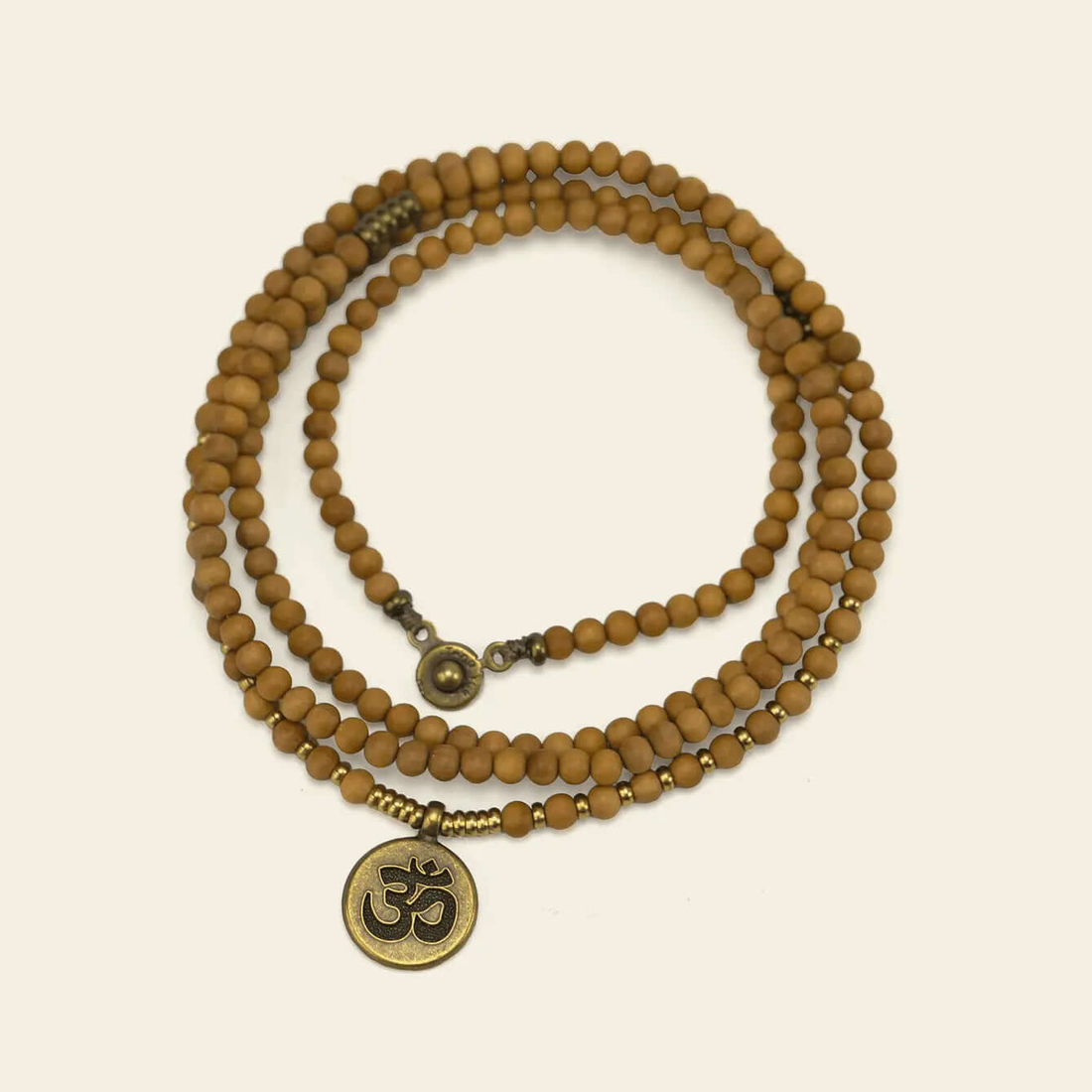
You can use an ordinary safe object you already own. Avoid sharp edges, loose parts around children, and any handling that damages a delicate specimen. Wearing a bracelet is optional; it is not a way to dose a meditation practice.

4. Mantra Practice: Working With a Repeated Phrase
Some practices use a repeated word, phrase, or sound. If learning within a religious tradition, seek instruction from that tradition rather than assuming all phrases have the same meaning. For a secular exercise, you might repeat a short phrase you have chosen, without claiming a special frequency or guaranteed effect.
Beads can be a counting aid if you find that useful, but counting is not always necessary. Check the actual design rather than assuming every bracelet has a traditional number of beads.

5. Loving-Kindness: An Invitation to Goodwill
A simple introductory exercise is to offer a gentle wish to yourself or someone with whom you feel safe: “May you have support today.” You can choose language that feels natural. You do not have to produce warmth on command, direct goodwill toward someone who harmed you, or treat difficult feelings as a failure.
A bracelet or other object may be a personal reminder, but it is not necessary for the exercise and cannot stand in for relationships or professional support.
6. Body Scan: Noticing Sensation Without Forcing Change
A body scan involves moving attention among parts of the body. You might begin by noticing where your feet or hands are supported. There is no requirement to relax every muscle, lie down, or continue through distress. If looking inward does not suit you, return to the room around you or choose a different activity.
Smoke and fragrance are not prerequisites. In shared spaces, consider other people's preferences; omit scented products if they cause discomfort. Never leave a burning item unattended.
7. Chakra-Focused Practice: Keep the Spiritual Frame Clear
If chakra symbolism is meaningful to you, approach it as a spiritual or personal framework and learn its context from an appropriate teacher. This guide does not treat chakras as anatomical structures or recommend particular stones for health symptoms. Visualizations and symbolic arrangements are not evidence that energy blockages have been diagnosed or treated.
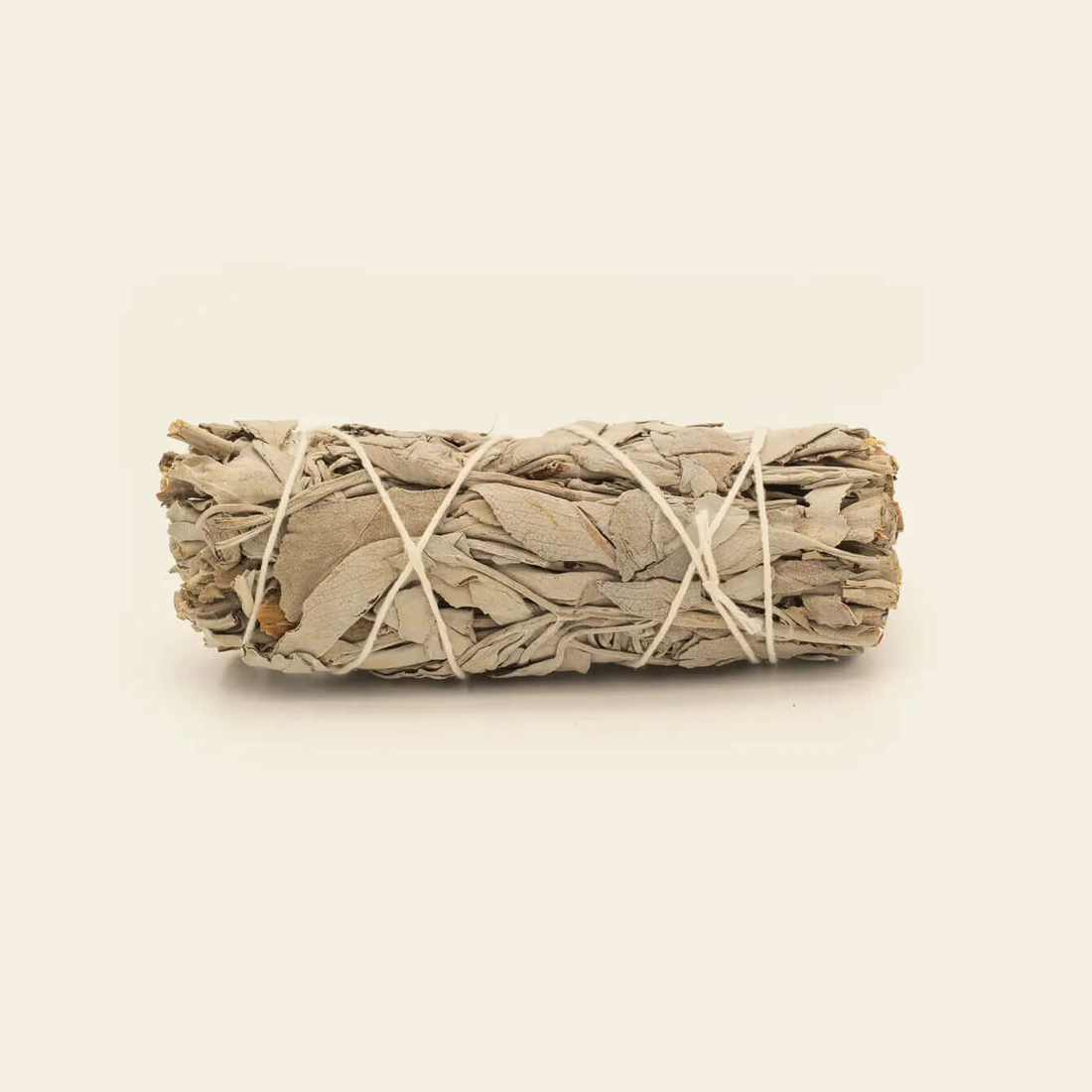
Incense, pictured here as an optional accessory, is not needed for meditation. Follow its specific safety instructions if you choose to use it.

A Practical Decision Framework
- Choose your format. Would you prefer clear spoken instructions, reading first, quiet observation, or a simple activity?
- Consider the setting. Find a position and location that accommodate your body, accessibility needs, and responsibilities.
- Try a short session. A minute or two is an optional starting experiment, not a minimum therapeutic dose.
- Review the experience. Was it understandable and comfortable? Did any instruction feel pressuring or confusing?
- Adapt one thing. Change the guide, focus, position, or timing. You may also decide not to continue.
There is no required trial period before you are allowed to stop. Do not interpret increasing anxiety, pain, or a sense of disconnection as proof of a coming breakthrough.
When Tools Help—and When They Add Work
A timer can mark an ending. A chair can provide support. A recording can supply instructions. An object can provide something to look at or handle. Consider tools in those concrete terms instead of buying a promised emotional outcome.
Before purchasing, check space, cleaning, material information, and whether you enjoy the object on its own. If charging, setup, or repeated purchasing would create another obligation, simplify. The existing product photographs illustrate accessories, not a clinically tested kit or a guarantee of current stock.
Let Your Practice Remain Adjustable
You do not need to advance through prescribed weeks of foundation, months of deepening, and eventual “mastery.” Keep a format while it suits you, seek instruction when helpful, and revise it when circumstances change. Continuing with a guide is not dependence, and choosing another method is not failure.
What the Research Does—and Does Not—Compare
Fox and colleagues' review of 78 functional neuroimaging studies found differences among meditation styles and emphasized methodological concerns. It did not test the seven options in this guide as a matched set or establish the effectiveness of Zenify products.
The NCCIH overview of effectiveness and safety is a useful place to understand the broader evidence. Meditation should not replace conventional care or delay getting help for a medical concern.
Questions About Choosing a Method
Which method fits my personality?
This guide does not use personality categories to predict an outcome. Start with comfort, clear instruction, and practical fit.
Can I combine approaches?
You can explore different activities, but learn what each involves. More techniques and accessories do not automatically improve an experience.
What if meditation makes me feel worse?
Stop or pause the exercise. If distress continues, speak with a qualified healthcare professional or an appropriately trained instructor. You do not owe a practice a fixed number of attempts.


